Epstein Text Messages: SMS Records That Exposed the Daily Operation
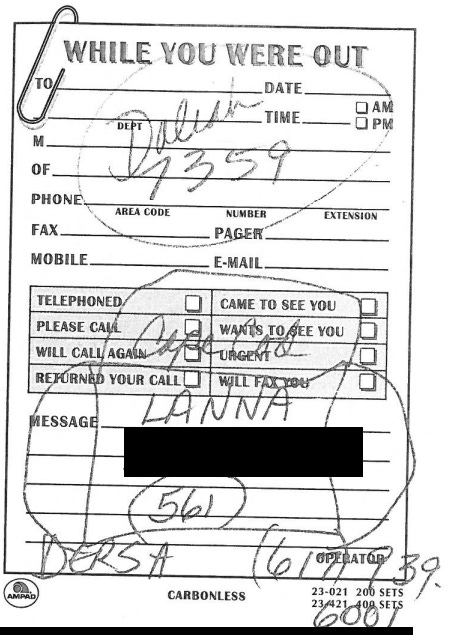
Text messages from Jeffrey Epstein's phones provided some of the most direct evidence of his criminal operation. Unlike emails which could be more formal, text messages often captured casual, unfiltered communication that revealed the day-to-day reality of how Epstein's network functioned.
How Text Messages Were Recovered
Recovering text messages presented technical challenges for investigators. Device extraction from seized phones yielded the most complete records. Cloud backups sometimes contained message history. Recipient phones were examined when available through warrants or cooperation. Carrier records provided metadata but typically not message content.
The combination of these sources allowed investigators to reconstruct significant portions of Epstein's text communications.
The combination of these sources allowed investigators to reconstruct significant portions of Epstein's text communications.
Types of Messages Found
Epstein's text messages covered a range of topics. Logistical coordination messages arranged meetings, flights, and schedules. Recruitment texts showed how young women were contacted and scheduled. Payment discussions referenced money and compensation. Social messages maintained relationships with his network. Crisis communications emerged during legal troubles.
The casual nature of texting often meant less careful language than in formal emails.
The casual nature of texting often meant less careful language than in formal emails.
Most Incriminating Text Exchanges
Some text exchanges proved particularly damaging. Messages between Epstein and Ghislaine Maxwell discussed specific individuals and scheduling in ways that suggested criminal coordination. Texts to young women included offers of money and opportunities that matched victim testimony. Communications during the 2019 arrest period showed attempts to coordinate responses and potentially influence witnesses.
These messages became key evidence in both criminal and civil proceedings.
These messages became key evidence in both criminal and civil proceedings.
Text Messages in the Maxwell Trial
Text messages played a significant role in Ghislaine Maxwell's trial. Prosecutors introduced texts showing her active involvement in scheduling and logistics. Messages demonstrated her knowledge of and participation in recruitment activities. Communications between Maxwell and Epstein proved their close coordination on all aspects of the operation.
The text evidence helped establish Maxwell as more than a passive participant, contributing to her conviction.
The text evidence helped establish Maxwell as more than a passive participant, contributing to her conviction.
Privacy and Evidence Considerations
The use of text messages as evidence raised some legal considerations. Defense teams challenged whether certain messages were properly obtained. Questions about context and interpretation surrounded some exchanges. Privacy concerns existed even for convicted criminals. Authentication of messages required technical verification.
Despite these challenges, properly obtained text messages proved to be powerful evidence.
Despite these challenges, properly obtained text messages proved to be powerful evidence.
Jeffrey Epstein's text messages provided crucial evidence of his criminal operation. The informal nature of texting captured communications that might have been more carefully worded in other formats. These SMS records continue to serve as key evidence in ongoing investigations and civil litigation.