Epstein Sex Trafficking: Inside the Criminal Enterprise
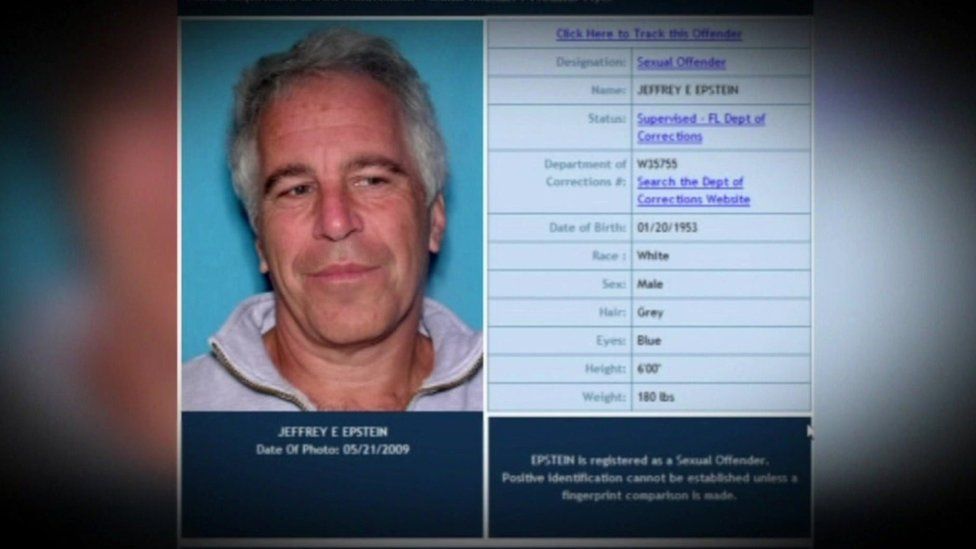
Jeffrey Epstein wasn't just a predator - he was the architect of a sophisticated criminal enterprise that exploited underage girls for years. His operation involved recruitment networks, grooming protocols, financial transactions, and a system designed to identify vulnerable targets, break down their defenses, and maintain their silence.
Understanding how Epstein's trafficking operation worked is essential to understanding how similar operations might be stopped. It's also essential to understanding why the system failed his victims for so long.
The Business Model of Trafficking
Epstein's operation followed patterns common to sex trafficking enterprises:
Identifying Targets: Epstein and Maxwell looked for specific types of victims:
- Teenage girls from working-class backgrounds
- Those who needed money for legitimate purposes (school, family support)
- Girls with troubled home lives or prior trauma
- Young women eager for opportunity and advancement
The Financial Structure:
- Victims were paid $200-300 per 'massage' session
- Payments created a transactional framework that normalized the encounters
- Some victims were recruited to bring friends, earning additional payments
- The money created dependency and complicated the dynamics of abuse
The Pyramid Structure:
- Epstein and Maxwell at the top
- Recruiters who brought in new victims
- Victims who became recruiters themselves
- A constant need for fresh targets as victims aged out
This structure minimized Epstein's direct exposure while ensuring a steady supply of victims.
The Recruitment Playbook
Court testimony and victim accounts have revealed a consistent recruitment pattern:
The Approach: Maxwell or other recruiters approached targets in public places - shopping malls, parking lots, near schools. The approach was professional: talk of massage work, modeling opportunities, or educational programs.
The Pitch: Recruiters emphasized the pay ($200-300 per session) and the legitimacy of the work. Epstein was described as a wealthy philanthropist who needed therapeutic massage.
The First Visit: New recruits were brought to Epstein's homes. The settings were impressive - Manhattan mansion, Palm Beach estate, private island. The grandeur added legitimacy.
The Demonstration: Maxwell would often demonstrate massage techniques, creating a sense of normalcy and professional instruction.
The Escalation: Only after trust was established did encounters become sexual. The progression was gradual enough to seem natural, but systematic enough to be intentional.
By the time victims realized something was wrong, they were already deeply involved.
The Grooming Process
Grooming - the psychological preparation of victims - was central to Epstein's operation:
Building Trust:
- Gifts and attention that created feelings of specialness
- Conversations about the victim's life, dreams, and problems
- Presents of clothes, meals, and experiences
- Positioning as a mentor or benefactor
Normalizing the Activity:
- Framing massages as therapeutic and professional
- Emphasizing the financial benefits
- Creating a community of other 'recruits'
- Gradual escalation from non-sexual to sexual contact
Creating Dependency:
- Regular payments that victims came to rely on
- Introduction to a lifestyle they couldn't otherwise afford
- Isolation from family and friends who might intervene
- Promises of future opportunities and support
Maintaining Silence:
- Implicit and explicit threats about what would happen if they talked
- Emphasizing that no one would believe them
- Leveraging the payments to suggest victims were complicit
- Using non-disclosure agreements in some cases
The grooming process took time but was devastatingly effective.
The Locations
Epstein's properties served specific roles in the trafficking operation:
Palm Beach: The primary recruitment location. Young women were approached in the area and brought to the mansion for 'massages.' The house had a dedicated massage room.
Manhattan: The largest private residence in New York City. Hosted many encounters and allowed Epstein to maintain a presence in elite social circles.
Little Saint James: The private island in the U.S. Virgin Islands. A remote location where victims described feeling trapped and where some of the most serious abuse allegedly occurred.
Zorro Ranch: The New Mexico property. A more secluded setting that hosted fewer but still significant encounters.
The Plane: Epstein's private jet - dubbed the 'Lolita Express' - transported victims between locations. Flight logs document extensive travel with young women.
Each location served the operation's needs: privacy, security, and separation from the outside world.
The Network
Epstein's operation depended on a network of enablers:
Ghislaine Maxwell: The central figure after Epstein himself. She recruited victims, managed logistics, and maintained the operation. Convicted in 2021 of trafficking charges.
Recruiters: Multiple women have been identified as recruiters, including some former victims who brought in new girls.
Staff: Employees at Epstein's homes and on his plane facilitated the operation by maintaining the properties and providing logistical support.
Professional Enablers: Lawyers, accountants, and others helped maintain the operation's structure and protect it from scrutiny.
Associates: Various powerful men have been accused of participating in the abuse, though most have denied the allegations and few have faced legal consequences.
The network extended Epstein's reach and protected him from exposure.
How It Was Exposed
The operation survived for years before being exposed:
Early Reports (1996): Maria Farmer reported Epstein to the FBI. Nothing happened.
Palm Beach Investigation (2005): A parent's complaint led to a police investigation that identified approximately 40 victims.
The 2008 Plea Deal: Epstein received a controversial light sentence that kept the full scope of the operation hidden.
Miami Herald Investigation (2018): Julie K. Brown's reporting exposed the plea deal and renewed attention.
Federal Charges (2019): Epstein was arrested on trafficking charges, but died before trial.
Maxwell Trial (2021): The trial revealed extensive details about how the operation worked.
The exposure took decades, and many questions remain unanswered.
Jeffrey Epstein ran one of the most sophisticated sex trafficking operations in American history. It wasn't a lone predator abusing occasional victims - it was a system designed to identify, recruit, groom, and exploit young women on an ongoing basis. The operation depended on enablers, protectors, and a culture that dismissed the claims of vulnerable girls. Understanding how it worked is essential to preventing similar operations in the future. The Epstein case exposed not just one man's crimes but the systems that allowed those crimes to continue for so long. His victims deserve justice - and all of us owe it to them to understand what happened so it doesn't happen again.