The Maxwell Trial: Inside the Case Against Epstein's Partner
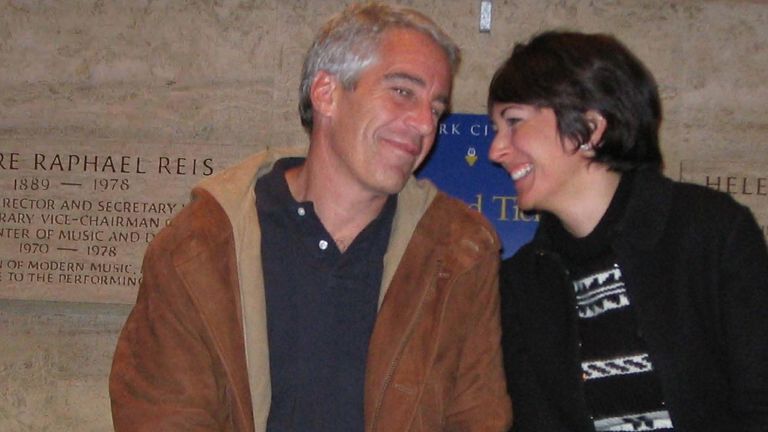
When Ghislaine Maxwell went on trial in November 2021, it was the first time someone from Jeffrey Epstein's inner circle faced serious criminal consequences. Epstein had died in custody two years earlier, escaping justice. But Maxwell - his longtime companion, recruiter, and alleged accomplice - would not be so lucky.
The trial revealed in unprecedented detail how their operation worked: the recruitment of young girls, the 'massage' sessions that became sexual assaults, and the network of enablers who looked the other way. After weeks of testimony, a jury would decide whether Maxwell was a victim or a perpetrator.
The Charges Against Maxwell
Federal prosecutors in the Southern District of New York charged Ghislaine Maxwell with six counts related to Epstein's sex trafficking operation:
- Conspiracy to entice minors to travel to engage in illegal sex acts
- Enticing a minor to travel to engage in illegal sex acts
- Conspiracy to transport minors with intent to engage in criminal sexual activity
- Transporting a minor with intent to engage in criminal sexual activity
- Sex trafficking conspiracy
- Sex trafficking of a minor
The charges spanned from 1994 to 2004 and involved four victims who testified at trial. If convicted on all counts, Maxwell faced up to 70 years in prison - effectively a life sentence for a woman in her late 50s.
The Prosecution's Case
Prosecutors presented a comprehensive case portraying Maxwell as Epstein's indispensable partner:
The Recruitment Pattern:
Multiple witnesses described how Maxwell approached young girls and women, often in vulnerable situations. She posed as a professional recruiter, offering opportunities for massage work, modeling, or education. The initial contact was always professional - which made the eventual exploitation more effective.
The 'Massage' Ruse:
Victims testified that Maxwell would normalize the 'massage' sessions, explaining that Epstein needed therapeutic massage for stress. She would sometimes demonstrate massage techniques herself, creating a sense of legitimacy. Only after the victims were in Epstein's presence did the encounters become sexual.
The Grooming Process:
Prosecutors showed how Maxwell cultivated relationships with victims over time. She gave them gifts, took them shopping, and introduced them to a glamorous lifestyle. This created psychological bonds that made it harder for victims to recognize or report the abuse.
The Financial Incentives:
Victims were paid $200-300 per 'massage' - significant money for teenagers from modest backgrounds. Maxwell allegedly emphasized the payments, creating a transactional framework that normalized the encounters.
Key Testimony: The Four Accusers
Four women testified under pseudonyms about their experiences:
Jane: A British woman who said Maxwell recruited her at age 14 and began bringing her to Epstein for sexual encounters. She described a pattern of abuse spanning years, with Maxwell present and sometimes participating.
Kate: A British woman who met Maxwell at 17. She testified that Maxwell introduced her to Epstein and encouraged a sexual relationship, knowing she was underage.
Carolyn: An American woman who described being trafficked to Epstein starting at age 14. She said Maxwell knew she was underage and still facilitated the encounters.
Annie Farmer: The only accuser to testify under her real name. She described meeting Epstein at 16 and being groped by Maxwell during a massage at Epstein's New Mexico ranch.
The testimony was graphic and emotional. Several witnesses broke down while describing their experiences. The consistency of their accounts - despite coming from different countries and backgrounds - was powerful evidence for prosecutors.
The Defense Strategy
Maxwell's defense team, led by attorney Bobbi Sternheim, mounted an aggressive defense:
Attack the Accusers: The defense questioned the victims' memories, pointed out inconsistencies in their accounts, and suggested financial motivations. They noted that some victims had received millions from Epstein's estate.
Blame Epstein: Maxwell's lawyers argued that she was being prosecuted as a 'proxy' for Epstein, who had escaped justice through death. They suggested she was being scapegoated.
Challenge the Timeline: The defense questioned whether the statute of limitations had expired on some charges and whether evidence supported the prosecution's timeline.
Present Maxwell as Victim: The defense suggested Maxwell had been abused by her father, media tycoon Robert Maxwell, and was manipulated by Epstein.
The strategy had limited success. The jury clearly found the accusers credible, and the 'blame Epstein' argument didn't negate Maxwell's own alleged conduct.

The Verdict
After approximately 40 hours of deliberation over six days, the jury reached a verdict on December 29, 2021:
- GUILTY: Conspiracy to entice minors to travel to engage in illegal sex acts
- GUILTY: Enticing a minor to travel to engage in illegal sex acts
- GUILTY: Conspiracy to transport minors with intent to engage in criminal sexual activity
- NOT GUILTY: Transporting a minor with intent to engage in criminal sexual activity
- GUILTY: Sex trafficking conspiracy
- GUILTY: Sex trafficking of a minor
Maxwell was convicted on five of six counts. The single acquittal related to transporting a specific minor (Carolyn). The convictions exposed her to up to 65 years in prison.
The verdict was emotional for survivors. Outside the courthouse, victims' advocates celebrated a moment of accountability that had taken decades to achieve.
The Sentencing
On June 28, 2022, Judge Alison Nathan sentenced Ghislaine Maxwell to 20 years in prison. The sentence was near the top of federal guidelines for her crimes.
In imposing sentence, Judge Nathan said Maxwell's conduct was 'heinous and predatory' and that she had displayed 'a complete lack of remorse.' Maxwell declined to speak at sentencing, and her request for leniency based on her difficult childhood was rejected.
Maxwell is currently serving her sentence at FCI Tallahassee, a low-security federal prison in Florida. She has appealed her conviction, though legal experts consider the chances of success slim.
The Maxwell trial was a watershed moment in the Epstein saga - the first real accountability for crimes that had spanned decades. The testimony revealed how systematically young girls were recruited, groomed, and exploited. And it established that Maxwell wasn't just Epstein's girlfriend but an active participant in his crimes. For survivors who had waited years for justice, the verdict was validation. But questions remain about others who may have participated in or enabled the abuse. The trial answered some questions while raising others about who else might face consequences.