Epstein Wealth: The Making of a Mysterious Fortune
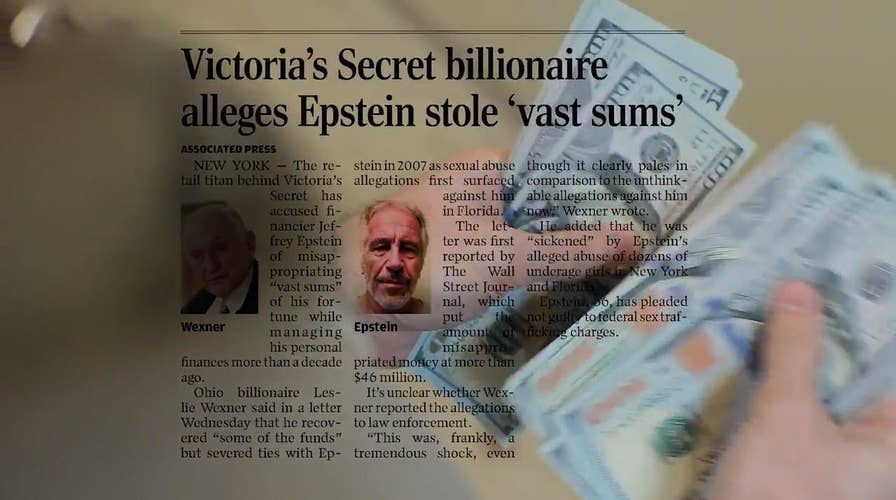
Jeffrey Epstein died a very rich man. His estate was valued at nearly $600 million, including luxury properties, aircraft, and investment accounts. Yet unlike most billionaires, Epstein didn't found a company, invent a product, or build a public corporation. His path to wealth was unconventional, opaque, and in some ways still unexplained. Let's look at what we know about how Epstein got rich – and what remains mysterious.
From Brooklyn to Wall Street
Epstein's background was modest. He grew up in Brooklyn, the son of a parks department employee and a school aide. He attended public schools and briefly attended Cooper Union before transferring to NYU – though he never completed his degree. How did this college dropout end up on Wall Street? Through a combination of intelligence, charm, and the willingness to take unconventional paths. His teaching job at Dalton School – obtained despite lacking typical credentials – introduced him to Alan Greenberg, chairman of Bear Stearns, who gave him a job at the investment bank.
The Financial Advisory Model
Epstein's approach to wealth-building was distinctive. Rather than trying to serve many clients or build a large firm, he focused exclusively on billionaires. His firm, J. Epstein & Co., reportedly accepted only clients with assets exceeding $1 billion. This model had several advantages:
- Fees from billionaire clients could be enormous
- A small client list meant low overhead
- Billionaire clients value discretion over transparency
- Managing huge sums creates opportunities for profit
The Les Wexner Connection
No discussion of Epstein's wealth is complete without Les Wexner. The billionaire founder of L Brands (Victoria's Secret, Bath & Body Works) was Epstein's most important client and possibly the primary source of his fortune. Epstein managed Wexner's money for approximately 16 years. During that time:
- Epstein received power of attorney over Wexner's affairs
- Wexner's foundation transferred millions to Epstein
- Epstein acquired his Manhattan townhouse from Wexner
- Epstein became a fixture in Wexner's social circle
Living Well: The Visible Signs of Wealth
Epstein's wealth was evident in how he lived. His properties alone were worth hundreds of millions:
- Manhattan townhouse valued at $77 million
- Little Saint James island in the U.S. Virgin Islands
- Zorro Ranch in New Mexico, spanning thousands of acres
- An apartment in Paris
- Palm Beach mansion in Florida
The Unexplained Gaps
Financial investigators have noted that Epstein's visible wealth seems to exceed what his known business activities would generate. Even serving billionaires, the math doesn't fully add up. This gap has led to various theories:
- Epstein may have had clients we don't know about
- He may have profited from undisclosed investments
- There may have been illegitimate sources of funds
- Some wealth may have come from questionable activities
The Estate After Death
When Epstein died in 2019, his estate entered probate. The executors identified approximately $577 million in assets. But settling the estate has been complicated by claims from creditors, victims seeking compensation, and tax authorities. The estate has established a compensation fund for victims, which has paid out tens of millions of dollars. The process of unwinding Epstein's financial empire has revealed some details about his holdings, but much remains obscure. His wealth, like much else about him, retains elements of mystery.
Jeffrey Epstein accumulated enormous wealth through unconventional means. His career serving billionaire clients, particularly Les Wexner, provided the foundation for his fortune. But the full picture of his wealth – where every dollar came from, how it was structured, and what activities generated it – remains incomplete. This opacity is itself revealing. Epstein operated in financial circles where transparency is optional and discretion is valued. The mystery of his wealth isn't an accident; it's a feature of how he did business. Understanding Epstein means accepting that some questions may never be fully answered.