Epstein Noam Chomsky: The Linguist Connection
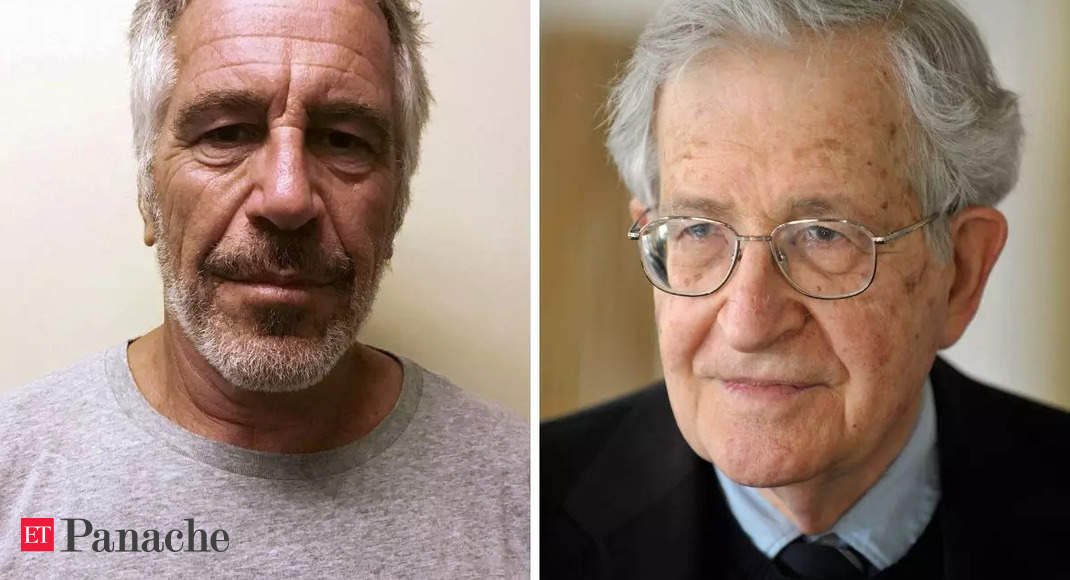
Noam Chomsky, the legendary linguist, cognitive scientist, and political philosopher often described as the "father of modern linguistics," acknowledged meeting with Jeffrey Epstein on multiple occasions. The connection between one of the world's most prominent public intellectuals and Epstein has prompted discussion about Epstein's penetration into academic circles and the complexities of intellectual patronage.
Who is Noam Chomsky?
Noam Chomsky is an American linguist and philosopher who has served as Institute Professor Emeritus at MIT. His work in linguistics revolutionized the field, introducing the theory of generative grammar and the concept of universal grammar. Beyond linguistics, Chomsky is known for his influential critiques of U.S. foreign policy, media, and corporate power.
Chomsky has written over 100 books and is frequently cited as one of the most influential intellectuals of the modern era. His political activism and critical analysis of power structures have made him a prominent voice on the global left for decades.
Acknowledged Meetings
Noam Chomsky publicly acknowledged meeting with Jeffrey Epstein on several occasions. According to Chomsky, these meetings occurred before Epstein's 2008 conviction and were related to academic and intellectual discussions. Chomsky stated that he was introduced to Epstein through MIT connections.
Chomsky described the meetings as conversations about various topics including science, politics, and philosophy. He characterized Epstein as intelligent and interested in intellectual matters, while acknowledging he was unaware of Epstein's criminal activities at the time.
The MIT Connection
The connection between Chomsky and Epstein was facilitated through MIT, where Epstein had cultivated relationships and provided funding. The MIT Media Lab and other departments received donations from Epstein, and he positioned himself as a supporter of academic research at the institution.
MIT's relationship with Epstein extended over many years and involved multiple faculty members and programs. Chomsky's connection, while notable given his prominence, was one part of a larger pattern of Epstein's involvement with the institution.
Chomsky's Explanation
When his meetings with Epstein became public, Chomsky provided explanations for the connection. He stated that the meetings occurred in a period when Epstein's reputation was primarily that of a wealthy intellectual interested in supporting academic work. Chomsky emphasized that the meetings were limited to intellectual discourse.
Chomsky expressed that he, like many others, was unaware of the extent of Epstein's crimes during the period of their acquaintance. He rejected any implication that the meetings implied endorsement of Epstein's conduct.
The Broader Context
Chomsky's connection to Epstein fits within the larger pattern of Epstein's cultivation of relationships with prominent intellectuals, scientists, and academics. Epstein's ability to attract figures like Chomsky to meetings and events provided him with intellectual legitimacy and access to respected voices across multiple fields.
The case illustrates the challenges faced by public intellectuals in navigating relationships with wealthy patrons and the importance of due diligence regarding those with whom one associates professionally.
Noam Chomsky's acknowledged meetings with Jeffrey Epstein represent a documented connection between one of the world's most prominent intellectuals and the disgraced financier. Chomsky's explanation that the meetings occurred before Epstein's crimes were known and were limited to intellectual discourse reflects the reality that many academics engaged with Epstein before his full criminality was revealed. The connection highlights Epstein's success in gaining access to elite academic figures through MIT and his positioning as a supporter of intellectual pursuits. The case remains part of ongoing discussions about the responsibilities of public intellectuals regarding their associations.