Epstein Deposition: What Was Said Under Oath
Depositions—sworn testimony given outside of court—have been crucial to the Epstein story. These sessions produced detailed accounts from victims, evasive answers from Epstein himself, and contradictions that revealed the truth. What people said under oath, when lying carried legal consequences, often differed from their public statements.
Epstein's Own Depositions
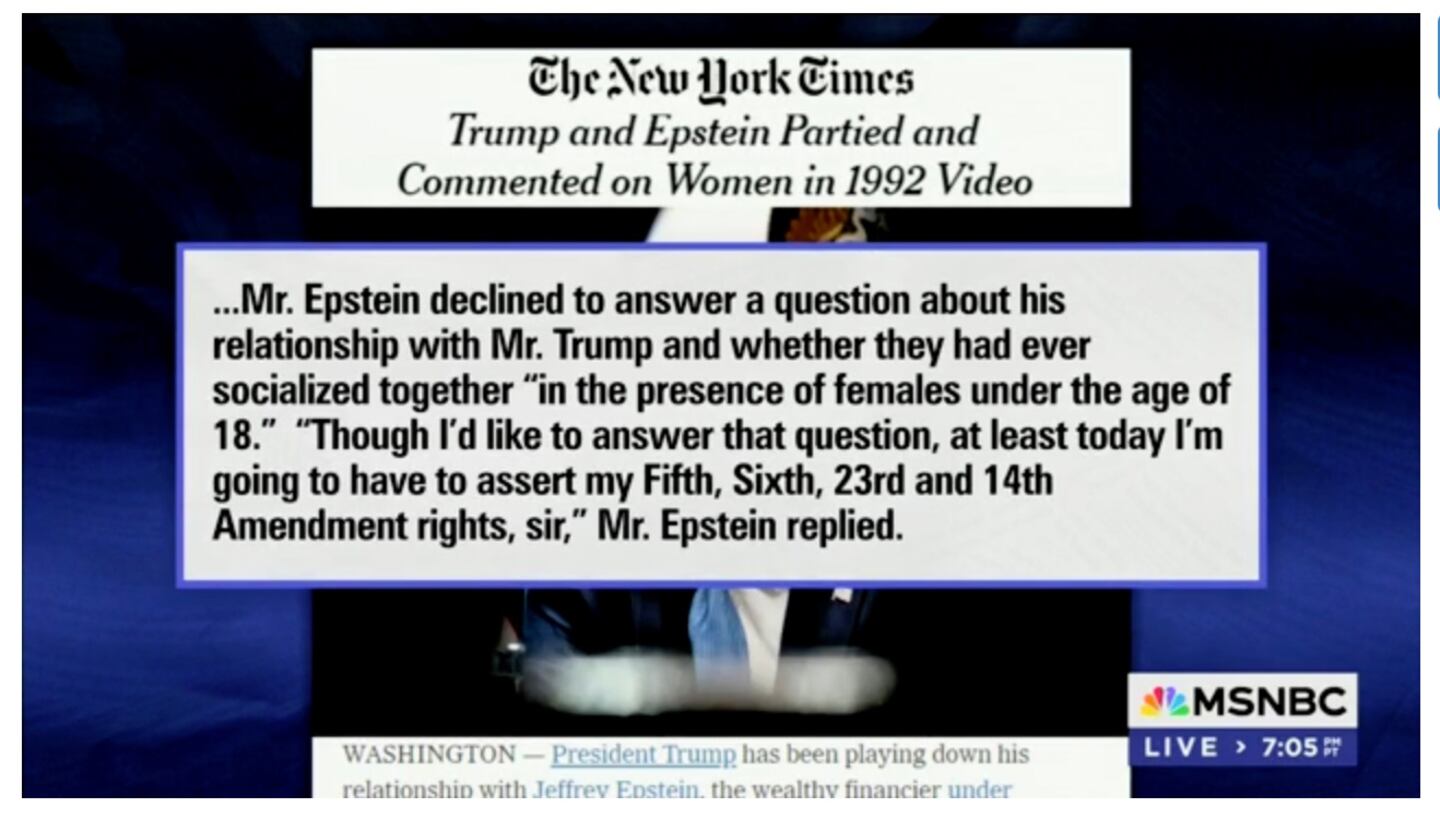
Jeffrey Epstein sat for depositions in various civil cases, and his testimony revealed a lot—not by what he said, but by what he refused to say. He invoked the Fifth Amendment repeatedly, declining to answer questions that might incriminate him.
In one notable exchange, when asked if he had ever socialized with underage girls, Epstein refused to answer. When asked about specific victims, he refused to answer. The pattern of invocation itself became evidence—innocent people typically don't need to avoid that many questions.
In one notable exchange, when asked if he had ever socialized with underage girls, Epstein refused to answer. When asked about specific victims, he refused to answer. The pattern of invocation itself became evidence—innocent people typically don't need to avoid that many questions.
Virginia Giuffre's Depositions
Virginia Giuffre's deposition testimony formed the foundation of her civil cases. Under oath, she described in detail how she was recruited by Ghislaine Maxwell, abused by Epstein, and trafficked to powerful men including Prince Andrew.
Her testimony remained consistent across multiple depositions taken years apart. That consistency mattered—it's harder to maintain a fabricated story over time than to simply tell the truth.
Her testimony remained consistent across multiple depositions taken years apart. That consistency mattered—it's harder to maintain a fabricated story over time than to simply tell the truth.
Ghislaine Maxwell's Depositions
Maxwell's depositions in the Giuffre defamation case became evidence in her criminal trial. Under oath, she denied recruiting underage girls for Epstein and disputed key details of victim accounts.
Prosecutors later argued that some of Maxwell's deposition testimony was false—and used it to support charges against her. The depositions showed how civil proceedings can produce evidence that matters in criminal cases.
Prosecutors later argued that some of Maxwell's deposition testimony was false—and used it to support charges against her. The depositions showed how civil proceedings can produce evidence that matters in criminal cases.

Other Key Witnesses
Multiple victims gave deposition testimony describing similar experiences: recruited young, promised opportunities, paid for massages that became sexual, and sometimes directed to recruit others. The consistency across accounts from people who didn't know each other was striking.
Former employees also testified. Some described seeing underage girls at Epstein's properties. Others confirmed aspects of his operation. The cumulative weight of testimony built a compelling picture.
Former employees also testified. Some described seeing underage girls at Epstein's properties. Others confirmed aspects of his operation. The cumulative weight of testimony built a compelling picture.
Why Depositions Matter
Depositions matter because they're under oath. Lying in a deposition is perjury—a crime. People who might spin or deny in media interviews often become more truthful when faced with legal consequences for dishonesty.
Depositions also matter because they're preserved. Unlike spoken testimony that might be misremembered later, depositions create a written record that can be used in other proceedings or released to the public.
Depositions also matter because they're preserved. Unlike spoken testimony that might be misremembered later, depositions create a written record that can be used in other proceedings or released to the public.
The depositions in the Epstein case revealed what people were willing to say when lies carried legal consequences. Epstein's repeated invocations of the Fifth Amendment told their own story. Victim testimony created a consistent account of abuse. And the deposition transcripts became crucial evidence that could be used in other proceedings. Under oath, the truth became harder to hide.